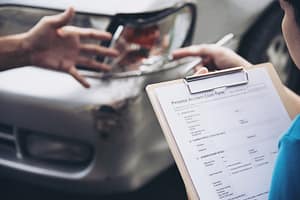
A car accident is stressful on its own. Finding out the at-fault driver has no insurance often makes the situation worse.
California law requires drivers to carry auto liability insurance, yet uninsured driver accidents remain common across the state.
If you are involved in a car accident with an uninsured driver in California, your options depend on your insurance coverage, the circumstances of the crash, and state laws that limit recovery in certain cases.
This guide explains how uninsured driver accidents work, what insurance coverage applies, and how you can protect your right to compensation.
California Insurance Requirements
California law requires drivers and vehicle owners to maintain financial responsibility for damages they may cause in a crash and to carry evidence of that financial responsibility in the vehicle. This requirement is set out in California Vehicle Code §16020.
According to the California Department of Motor Vehicles, the minimum liability insurance coverage required to satisfy this obligation is:
- $30,000 for injury or death to one person
- $60,000 for injury or death to more than one person
- $15,000 for property damage
Despite these requirements, uninsured driving remains a serious issue. Research shows that approximately 16.6 percent of California drivers were uninsured. This places California among the states with the highest uninsured driver rates in the country.
What Happens If the At-Fault Driver Has No Car Insurance?
When the driver who caused the accident has no insurance coverage, your recovery options depend largely on your own policy and the type of coverage you carry.
Uninsured Motorist Coverage
Uninsured Motorist coverage, often called UM coverage, is the primary protection in an uninsured driver accident. While optional in California, insurers are required to offer it, and many drivers carry it without fully understanding how it works.
UM coverage can pay for:
- Medical expenses
- Lost wages
- Pain and suffering
- Funeral expenses in fatal crashes
Your UM coverage steps in as if it were the at-fault driver’s liability insurance. Even though the claim is filed with your own insurer, uninsured motorist claims are still negotiated like third-party claims, and disputes over fault or injury severity are common.
Collision Coverage
If you carry collision coverage, your insurer can pay for vehicle repairs regardless of who caused the crash. You will typically need to pay your deductible upfront. Reimbursement depends on the outcome of any recovery efforts against the uninsured driver.
Medical Payments Coverage
Medical Payments coverage, also known as MedPay, helps cover immediate medical expenses for you and your passengers after a car accident. MedPay applies regardless of fault but does not cover lost income or non-economic damages such as pain and suffering.
Suing the Uninsured Driver
You may file a personal injury lawsuit against an uninsured driver. However, most uninsured drivers lack sufficient assets or income to satisfy a judgment. Even if you win in court, collecting compensation can be difficult or impossible in practice.
What If You Are Partially at Fault
California follows a pure comparative negligence system. If you are partially responsible for the accident, your compensation is reduced by your percentage of fault. This rule applies even in uninsured driver accidents.
Fault determinations can become especially complicated in crashes involving vulnerable road users. If the accident involved a pedestrian, liability may depend on factors such as right-of-way, visibility, and driver behavior. You can learn more about how fault is evaluated in these situations in our article on Car Accidents Involving Pedestrians: Who’s Liable?
Can You Recover Damages If You Are Uninsured?
California law places strict limits on recovery for uninsured drivers. Under Proposition 213, an uninsured driver who is not at fault cannot recover non-economic damages such as pain and suffering.
You may still recover economic damages, including medical bills and property damage, but the emotional and physical impact of the accident is not compensable if you were uninsured at the time of the crash.
Steps to Take After an Uninsured Driver Accident
Taking the right steps after a car accident with an uninsured driver can protect both your health and your claim.
- Call 911 and request a police report
- Seek medical attention as soon as possible
- Document the scene with photos and witness information
- Notify your insurance company promptly
- Speak with a personal injury attorney before accepting any settlement or speaking with the other driver’s insurance.
Early documentation and legal guidance are especially important when insurance coverage is limited or disputed.
According to the Insurance Information Institute, California consistently ranks among the top states for uninsured motorists. This increases the likelihood that accident victims must rely on uninsured motorist coverage or pursue alternative legal options to recover compensation.
Why Legal Guidance Matters
Uninsured driver accidents often involve complex insurance issues and aggressive claim scrutiny. Insurance companies frequently challenge fault, injury severity, and policy limits in uninsured motorist claims.
An experienced personal injury lawyer from Court House Lawyers can help you:
- Maximize uninsured motorist benefits
- Identify additional sources of compensation
- Navigate comparative fault disputes
- Avoid common claim mistakes that reduce payouts
Legal guidance becomes even more important when no opposing insurance carrier is involved.
Final Thoughts
If the other driver has no car insurance, you are not automatically out of options. California law provides several paths to recovery, but each comes with limitations and procedural requirements.
Understanding your insurance coverage and legal rights is key to protecting your financial future after an uninsured driver accident.
If you were injured in a car accident involving an uninsured driver, professional guidance can make a difference.
Contact our team for a free consultation. We will review your case, explain your options, and help you pursue fair compensation under California law.